History of the Department
The Interior Department of the Velocity Interoperability Network was established on 6 September 2026 to hold, in common for all members, the infrastructure, land and facilities of the Velocity Interoperability Network. It is a young institution, but the arrangements it replaced were older than the Network itself, and the decision to replace them was taken over six months of deliberation among members.
Before 2026 the plant that carried the Network between its members belonged to whichever member had built it. A relay site used by five members was maintained by one; a cabling route on which three members depended could be dug up on the notice its owner chose to give. The review commissioned by members in March 2026 found ten holdings used by more than one member and seven different standards of maintenance among them. It recommended a single body, answerable to all members, to hold such plant in common and to maintain it to a single standard.
The classes of shared infrastructure and the service levels that would apply to them were agreed in June. Transfers began in August. The Department itself came into being on 6 September, when the Register of Sites was published, the service standard adopted and departmental facilities opened for booking. The principal events are set out below.
Before 2026
Infrastructure held by members
Relay sites, exchange points and cabling were built and held by individual member organisations of the Network, each under its own arrangements. A site used by several members was maintained by the one that had built it, to whatever standard that member chose, and the others depended on it without any right to be consulted.
March 2026
Review of shared plant
Members commissioned a review of every site and route used by more than one of them. The review found ten such holdings, maintained to seven different standards, and recommended that infrastructure used by more than one member should be held in common by a single body answerable to all.
June 2026
Classes and service levels agreed
Members agreed four classes of shared infrastructure: relay sites, exchange points, data halls and cabling. The obligations of members using shared infrastructure, and the availability, response and inspection levels that became the service standard, were settled at the same time.
August 2026
Transfer of sites and routes
Over four weeks members transferred the first sites and routes into common holding, together with the land on which they stand. Each was surveyed, its plant recorded and its boundaries walked before transfer. Departmental premises adjoining the shared data hall were set aside for meetings, exercises and training.
10 August to 5 September 2026
Interim operation
Until the Department existed, transferring members continued to operate the sites they had transferred under interim arrangements, reporting faults and works to the officers who would form the Office of the Registrar of Sites. Eleven faults and twenty-two items of routine maintenance were recorded during the period.
6 September 2026
Department established
The Interior Department was formally established with three offices and launched its official website at interior.gov.vin. On the same day it published the Register of Sites, adopted the service standard, opened departmental facilities for booking and published its first schedule of planned works.
October 2026
First service-affecting works
The copper route between the central exchange point and the shared data hall, the oldest plant on the register, is to be replaced with fibre between 5 and 9 October under the schedule of planned works.
January 2027
First performance report
The Department's first report of performance against the service standard, covering the period from establishment to the end of December 2026, is to be published in the Newsroom.
September 2027
First annual review
The service standard, the obligations of members and the conditions of use of facilities are to be reviewed with members after their first year.
Transfers into common holding, August 2026
Sites and routes were transferred in four weekly tranches, each with the land that serves it. The references are those now used in the Register of Sites and the schedule of land holdings.
| Week beginning | Transferred | Land | Register status at establishment |
|---|---|---|---|
| 10 August 2026 | RS-01 and CR-01 | LP-01, AR-01, CC-01 | In service |
| 17 August 2026 | RS-02, RS-03, CR-02 and CR-03 | LP-02, LP-03, AR-02, AR-03, CC-02, CC-03 | In service |
| 24 August 2026 | XP-01, CR-04 and DH-01 | LP-05, LP-06, CC-04 | In service |
| 31 August 2026 | RS-04 agreed for transfer | LP-04 | Under transfer |
| 31 August 2026 | XP-02 and CR-05 approved | LP-07, CC-05 | Planned |
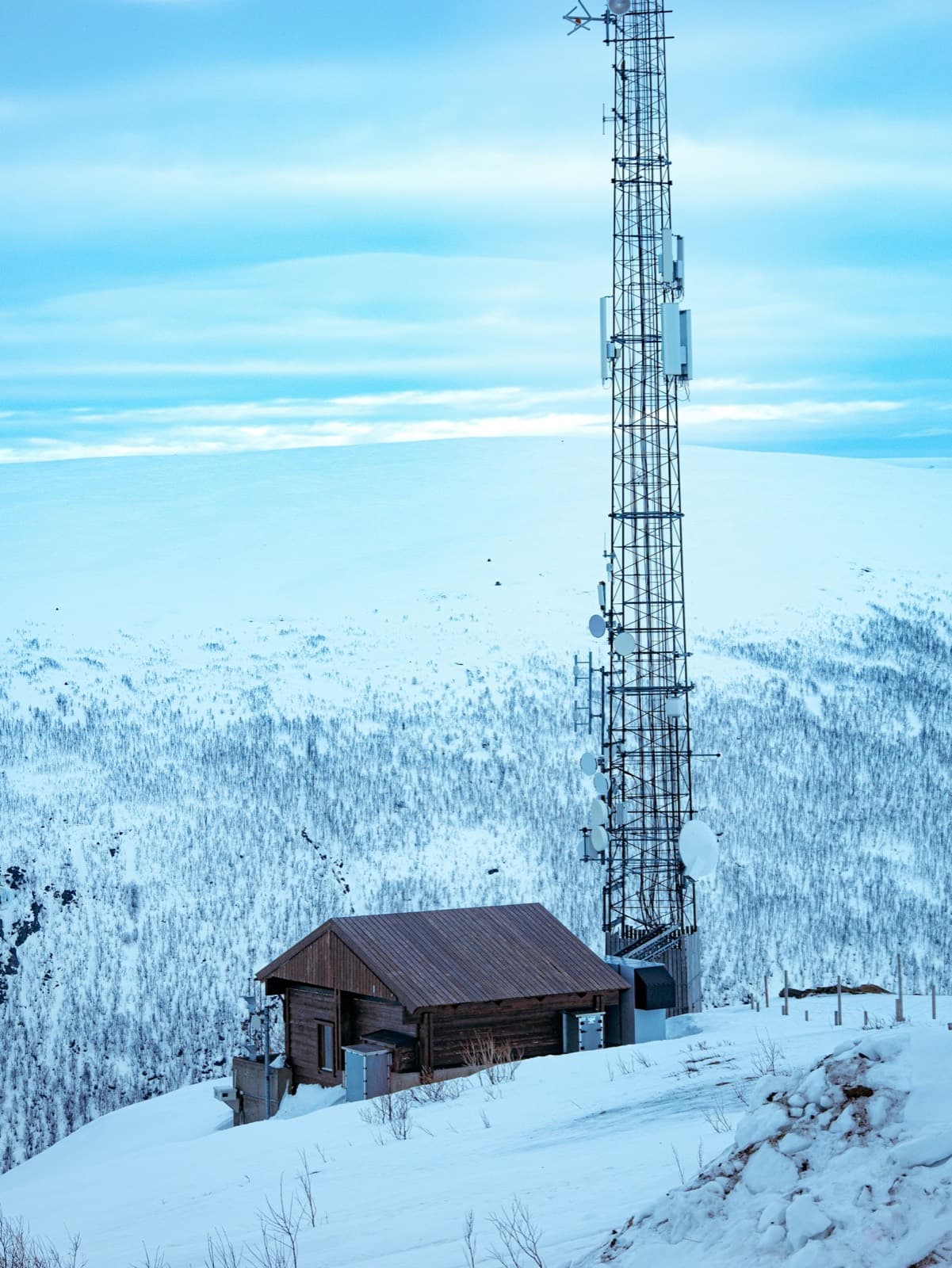
The first relay site
The northern relay site, RS-01, was the first to be transferred and remains the largest. Built in 2019 by the member that then carried most of the Network's northern traffic, it was staffed from the start and had by 2026 come to serve every member. Its transfer on 10 August 2026, with the fibre route to the central exchange point, set the pattern for the tranches that followed.
The survey of RS-01 produced the first entries in what became the schedule of principal plant, and the walk of its boundary the first entry in the schedule of land holdings.
Further reading
The Department's present responsibilities are described under About the Department and the procedure by which further sites are taken into common holding under How We Work. The service standard agreed by members in June 2026 is set out in full under Service Standard. Further developments are recorded in the Newsroom.